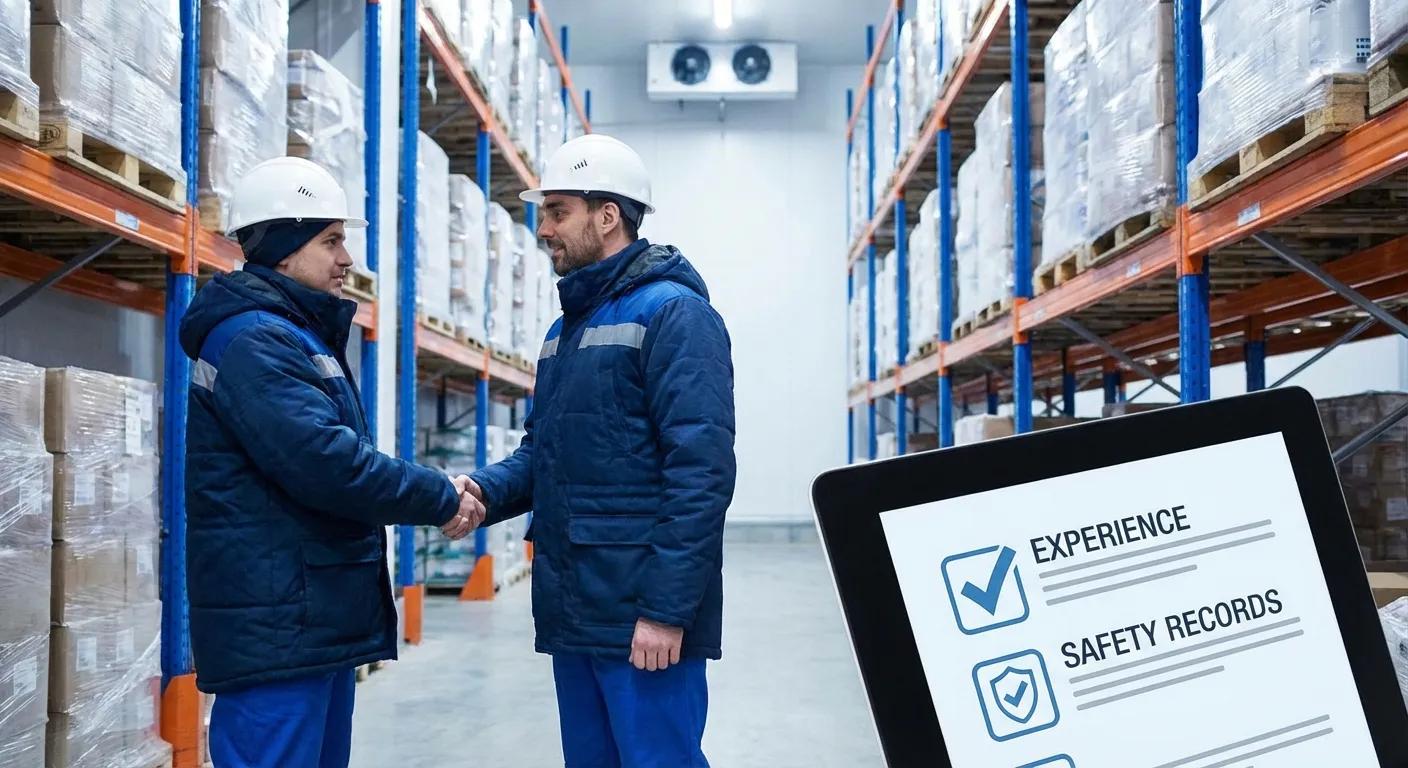
The True Cost of Cold Storage: Beyond the Bid Price
When evaluating cold storage construction bids, the lowest price often hides the highest long-term costs. Learn how to analyze the total cost of ownership.
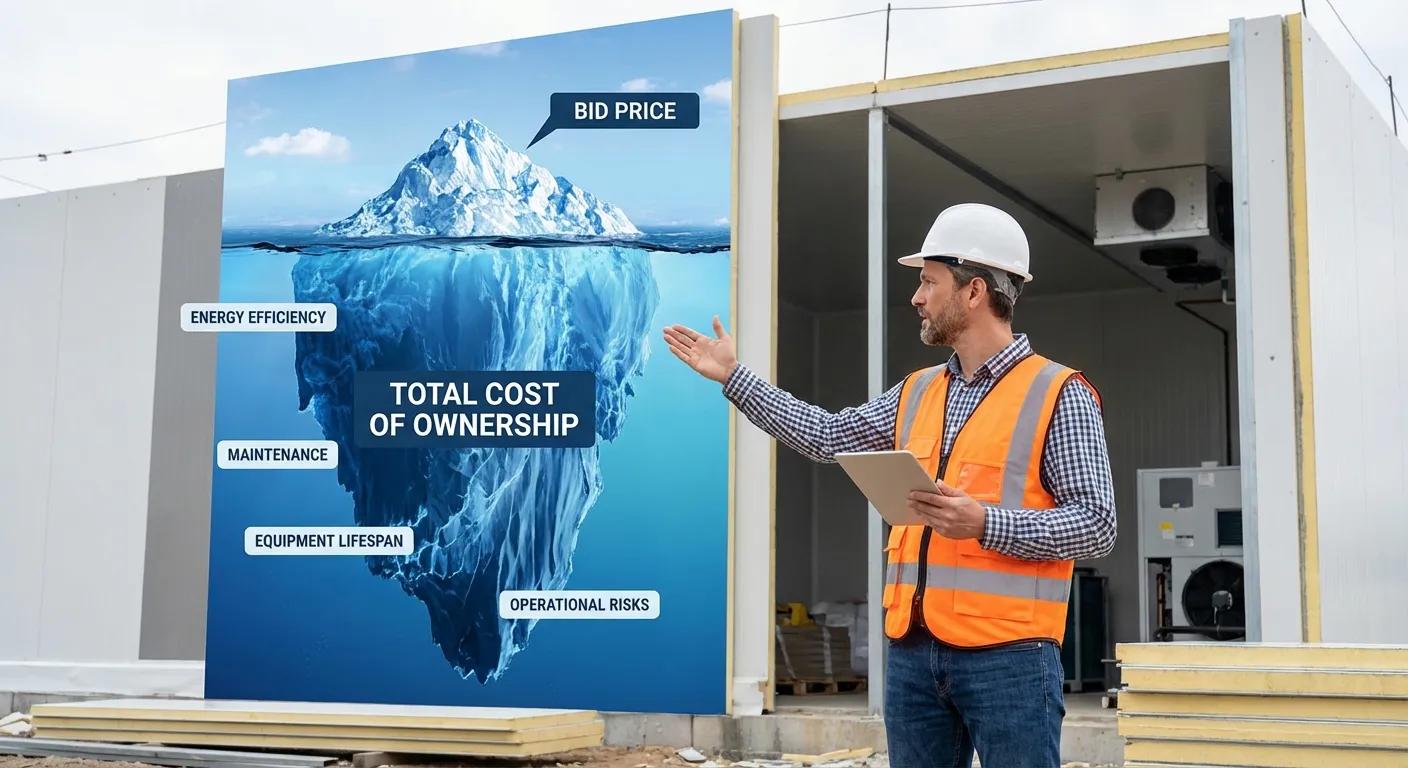
When evaluating bids for a new cold storage facility or a major expansion, the "sticker price" (the initial capital expenditure, or CapEx) is often the deciding factor. However, in the world of industrial refrigeration and cold storage construction, the lowest bid often leads to the highest total cost of ownership (TCO).
A facility designed solely to minimize upfront construction costs can bleed money for decades through energy inefficiency, higher maintenance requirements, operational bottlenecks, and premature equipment failure.
Here is how to look beyond the bid price and understand the true cost of your cold storage facility.
1. Energy Efficiency: The Silent Budget Killer
Refrigeration typically accounts for 60-70% of a cold storage facility's energy bill. A "low-cost" design often achieves savings by:
- Using minimum-standard insulation thickness.
- Installing less efficient compressors or condensers.
- Skimping on control systems and VFDs (Variable Frequency Drives).
- Ignoring underfloor heating efficiency or door seal quality.
The Reality: A facility that costs $500,000 less to build but consumes $100,000 more in electricity annually will erase those "savings" in just five years. Over a 20-year lifespan, the "cheaper" facility could cost you an extra $1.5 million in operating expenses.
What to Ask:
- What is the projected energy consumption per cubic foot?
- Are VFDs included on all major motors?
- What is the R-value of the thermal envelope, and does it exceed code minimums?
2. Maintenance and Reliability
Cheap equipment is cheap for a reason. It may lack durability, serviceability, or redundancy. A low-bid contractor might install:
- Proprietary controls that lock you into expensive service contracts.
- Undersized condensers that struggle on hot days, leading to high head pressures and wear.
- "Value-engineered" piping materials that are prone to corrosion or leaks.
The Reality: Unplanned downtime in a cold storage facility is catastrophic. If your system goes down and you lose product, the cost of that single event could dwarf the initial construction savings. Furthermore, higher ongoing maintenance labor and parts costs will chip away at your margins every month.
What to Ask:
- What is the expected lifecycle of the major components?
- Is the control system open-protocol or proprietary?
- What redundancy is built into the critical systems?
3. Operational Workflow and Labor
A poorly designed layout can cripple your warehouse operations. To save on square footage or construction complexity, a low-bid design might:
- Create bottlenecks in loading dock areas.
- Limit racking height or density.
- Place evaporators in locations that are hard to service or prone to forklift damage.
- Result in poor airflow, leading to hot spots and product spoilage risks.
The Reality: If your forklift drivers take 10% longer to move product because of a poor layout, your labor costs go up permanently. If poor airflow causes product quality issues, your revenue takes a hit.
What to Ask:
- Has a full airflow simulation been performed?
- How does the layout support our specific material handling equipment and flows?
- Are maintenance access points located safely and conveniently?
4. Future-Proofing and Scalability
A bare-bones design rarely accounts for the future. It meets today's needs but makes expansion difficult or impossible.
- Piping might be sized only for the current load, requiring a complete tear-out for expansion.
- The engine room might lack space for additional compressors.
- The electrical service might be maxed out.
The Reality: Retrofitting an operating cold storage facility is exponentially more expensive and disruptive than building it right the first time. Spending a little more upfront for "stub-outs" and oversized headers can save millions down the road.
What to Ask:
- What is the plan for future expansion?
- Are the main headers and electrical gear sized for a potential Phase 2?
The Bottom Line
The "True Cost" of a cold storage facility is: CapEx + (Annual OpEx × Lifespan) + Risk Costs
Don't just compare the bottom line of the construction bids. Compare the 10-year and 20-year financial models. A knowledgeable partner will help you run these numbers, showing you where spending an extra dollar today will save you ten dollars tomorrow.
At the end of the day, you aren't just buying a building; you are investing in a machine that needs to run efficiently 24/7/365. Choose the bid that delivers the best value, not just the lowest price.
IR Pros Team
Industrial Refrigeration Experts